
October 5, 2026
How to Style Rings, Bracelets, Earrings, and Necklaces Together
Learn how to combine rings, bracelets, earrings, and necklaces to create balanced jewelry combinations that complement everyday outfits.
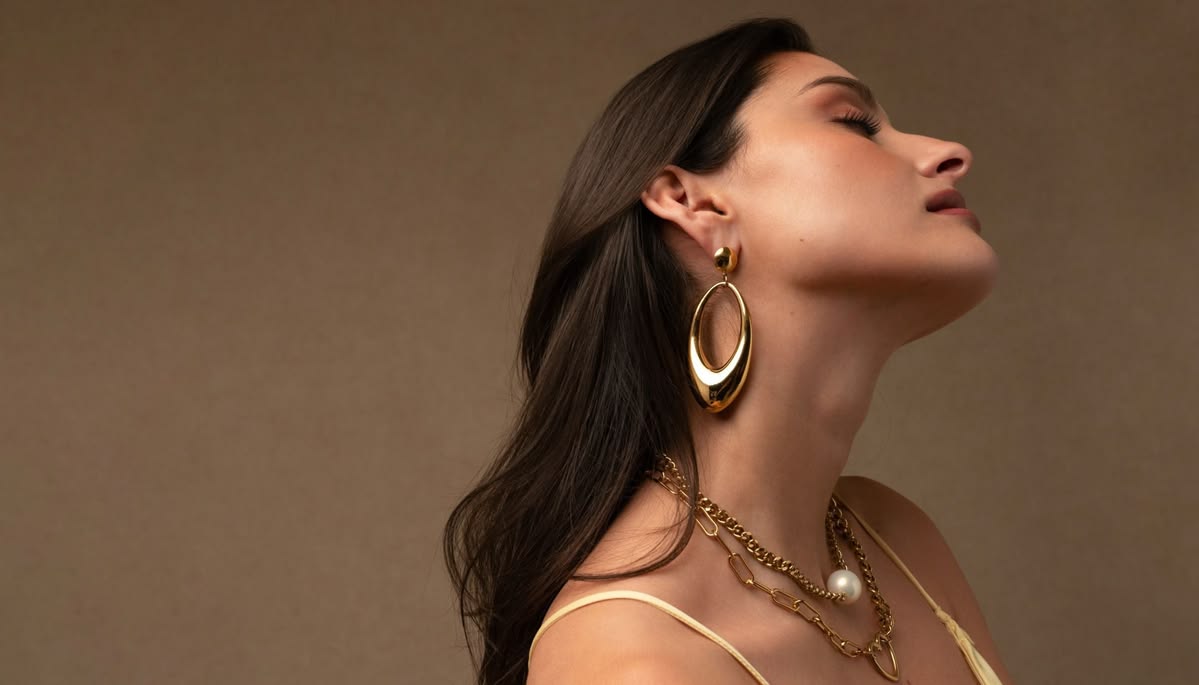
Wearing several types of jewelry together can create a polished and personalized look, but combining too many pieces without balance can make an outfit feel crowded. The key is learning how different jewelry pieces can work together while allowing each one to contribute something distinct.
A well-styled jewelry combination does not need to be complicated. With the right balance of proportion, placement, and visual detail, rings, bracelets, earrings, and necklaces can work together naturally.
Jewelry gives you an opportunity to express your personal style without changing your entire wardrobe. A simple outfit can look completely different depending on the accessories you choose, which makes jewelry one of the most flexible parts of everyday styling.
Whether you prefer a minimal appearance or enjoy layering several pieces, understanding a few basic principles can help you create combinations that feel intentional rather than random.
Choose Your Main Jewelry Piece First
When styling multiple pieces together, start by deciding which item you want to attract the most attention. This could be a distinctive necklace, a statement pair of earrings, a noticeable ring, or a bracelet with an interesting design.
Once you have chosen your focal piece, the rest of your jewelry can play a supporting role. This creates a visual hierarchy and prevents every accessory from competing for attention.
If your necklace is already bold, consider choosing simpler earrings and rings. If you want your earrings to stand out, keep the necklace more understated.
Create Harmony Around Your Face
Necklaces and earrings are both positioned close to the face, so they have a strong influence on the overall appearance of an outfit. Wearing two highly detailed pieces together can sometimes create too much visual activity.
Instead, consider using contrast. A more noticeable pair of earrings can be balanced with a simple necklace, while a distinctive pendant can work well with smaller earrings.
Statement Earrings
Let your earrings become the main feature and choose a simpler necklace to keep the overall look balanced.
Statement Necklace
When your necklace is the focal point, understated earrings can help maintain a clean and polished appearance.
Use Different Lengths for Better Definition
Layering necklaces can create depth and make a simple outfit more visually interesting. However, necklaces that sit at exactly the same level can overlap and make the combination difficult to distinguish.
Using different chain lengths is one of the easiest ways to create separation. A shorter necklace can sit closer to the neckline while a longer pendant creates a lower focal point.
- Start with two pieces before adding more.
- Choose noticeably different lengths.
- Combine simpler pieces with one more distinctive design.
- Consider the neckline of your clothing before layering.
The goal is not to wear as many necklaces as possible. Instead, aim for a combination where every piece remains visible and contributes to the overall look.
Combine Rings Without Overcrowding Your Hands
Rings are especially flexible because you can distribute them across both hands or create a more concentrated stack on one hand. The best approach depends on how noticeable you want your jewelry to be.
If you are new to ring stacking, start with two pieces that have different proportions. A slimmer ring can provide contrast against a wider design, creating a combination that feels more deliberate.
A combination of several large rings can quickly become visually heavy. Mixing different sizes and leaving some fingers without jewelry can create more breathing room.
Create Balance Between Your Hands and Wrists
Bracelets and rings are positioned close enough to influence each other, especially when you are wearing several pieces at once. They do not need to match perfectly, but they should feel compatible in terms of overall style.
For a minimal look, one bracelet and one or two rings may be enough. If you prefer a layered style, you can introduce multiple bracelets while keeping your rings relatively simple.
Another option is to distribute your jewelry rather than concentrating everything on one side. This can create a more balanced appearance and make each piece easier to notice.
Let Your Clothing Guide Your Jewelry Choices
Jewelry should work with your clothing rather than exist separately from it. The neckline, fabric, pattern, and overall silhouette of an outfit can all influence which accessories will look most natural.
A simple outfit gives you more freedom to experiment with jewelry. If your clothing already features bold prints, textures, or strong details, you may prefer more restrained accessories.
Minimal Outfits
Simple clothing can provide a clean background for layered necklaces, stacked rings, or more expressive earrings.
Detailed Outfits
When your outfit already has strong visual elements, simpler jewelry can help maintain a balanced appearance.
Think About the Overall Jewelry Story
Your jewelry does not have to match perfectly. In fact, combining pieces that are slightly different can create a more interesting and personal look. What matters is that the combination feels intentional.
Consider the overall character of your jewelry. If most of your pieces have delicate proportions, adding one bold item can create a useful focal point. If you prefer larger accessories, simpler pieces can provide visual relief.
Repeating a subtle element across your jewelry can also help connect different pieces. Similar shapes, textures, proportions, or design details can create cohesion without requiring every item to be identical.
Build Your Jewelry Look Step by Step
If you are unsure where to begin, creating your jewelry combination in a consistent order can make the process much easier.
Choose the Outfit
Look at the neckline, colors, patterns, and overall style of what you are wearing.
Select a Focal Piece
Decide whether your necklace, earrings, rings, or bracelet should be the main feature.
Add Supporting Pieces
Choose simpler jewelry that complements the focal piece without competing with it.
Check the Balance
Look at the complete outfit and remove anything that feels unnecessary or visually overwhelming.
There Is No Single Correct Way to Wear Jewelry
Jewelry styling is ultimately personal. Rules about matching pieces, layering, or balancing proportions can provide a useful starting point, but they should not prevent you from experimenting.
You may discover that an unexpected combination works particularly well with your wardrobe. You might prefer wearing several delicate pieces together, or you may feel most comfortable with one distinctive accessory.
The most important consideration is whether the jewelry feels comfortable and reflects your personal style. Trends can provide inspiration, but your own preferences should determine how you build and wear your collection.
Final Thoughts
Styling rings, bracelets, earrings, and necklaces together becomes much easier once you understand balance. Start with one focal piece, add complementary accessories, pay attention to proportion, and consider how everything works with your clothing.
You do not need a large collection or complicated layering techniques to create a polished jewelry look. A few versatile pieces, combined with a little experimentation, can give you countless ways to express your personal style.
Whether your preference is understated and minimal or layered and expressive, let your jewelry work as an extension of the way you dress. The best combination is ultimately the one that feels natural to you.